Prep Readiness Checklist: What Really Matters Before Day OneWritten on the 22 October 2026 Starting Prep is a big milestone, and it's normal for children and parents alike to feel a mix of excitement and butterflies. School readiness isn't about getting a head start on the curriculum. It's about the everyday skills, confidence and independence that help children settle in and feel they belong. It brings together social, emotional, physical, communication and early learning skills. Rather than asking only whether your child can read, write or count, look at how they manage everyday tasks, respond to instructions, interact with others and approach new situations. In Queensland, Prep is the first year of primary school, following kindergarten. If you're planning the kindy-to-Prep transition in Brisbane, here's a practical guide to seven skills to look for, activities to try at home and ways to prepare for the first day. School readiness checklist: 7 skills to look forUse this list to identify the skills your child is developing and the everyday activities that can help strengthen them. 1. Social skills and making friends
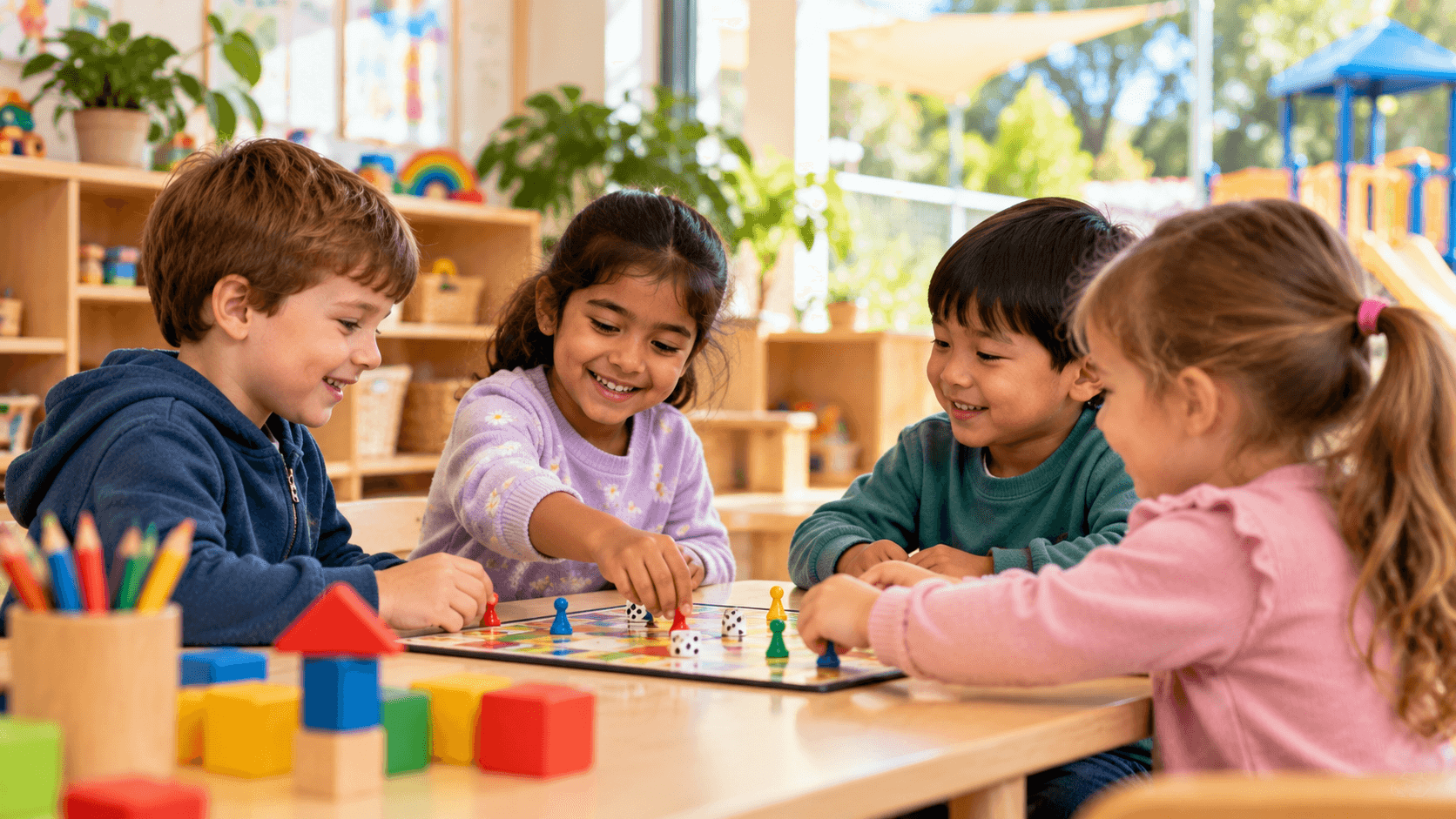
Starting school means sharing space with a larger group of children, making new friends and learning to get along with people who may have different ideas. Things to look for
Practise at home: Play simple board games, build something together or arrange a playdate at a local Brisbane park. These activities give children opportunities to take turns, negotiate and work through small disagreements. 2. Emotional readiness and managing big feelingsChildren can feel excited about school one day and nervous the next. Learning to recognise feelings, cope with disappointment with support and seek comfort when needed can help them navigate the change. Things to look for
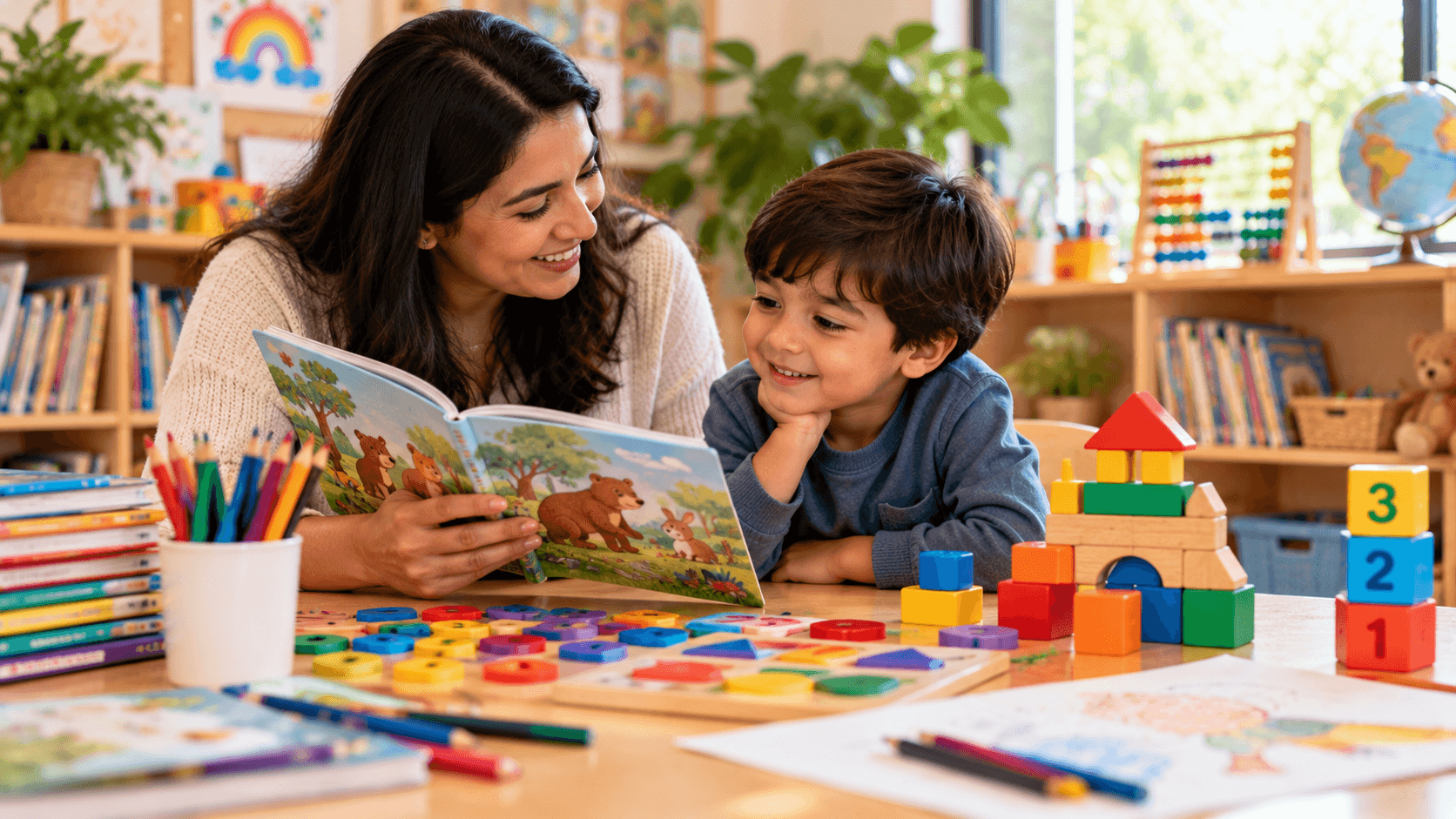
Practise at home: Talk openly about feelings and acknowledge your child's worries. Try a phrase like, “It's a big change, isn't it? We can work it out together.” Reading stories about starting school and talking through what might happen can make the unfamiliar feel more manageable. 3. Communication and listeningChildren use communication skills throughout the school day, from asking to go to the toilet to explaining what happened in a game or listening to their teacher. Things to look for
Practise at home: Chat during everyday activities rather than turning conversations into lessons. Ask open-ended questions about your child's day, read together and give them time to explain their thoughts. If communication is a concern, talk to their kindy educators about helpful strategies and whether additional support might be appropriate. 4. Independence and self-care
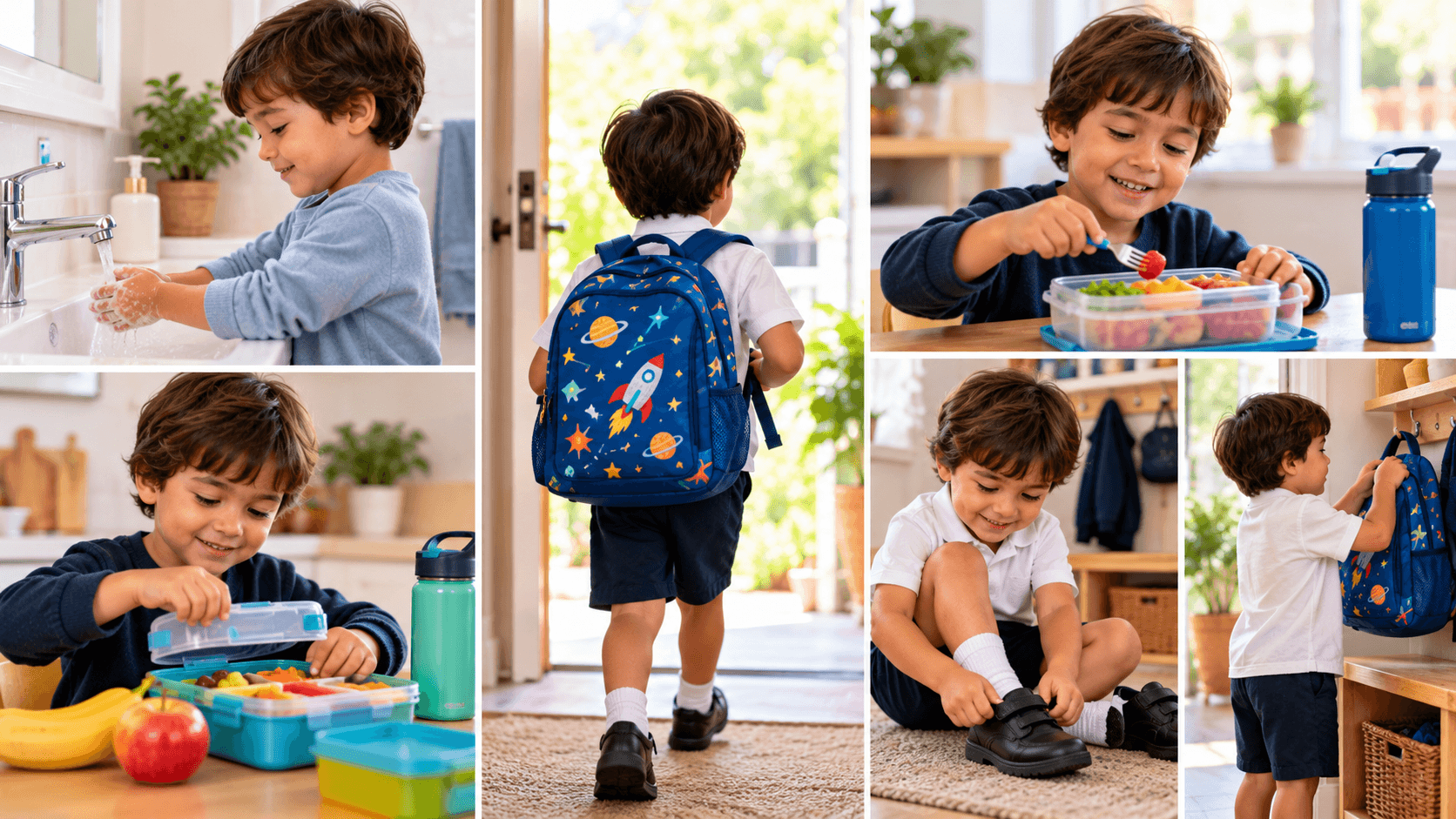
A school day involves plenty of little tasks, often with less one-to-one assistance than children are used to in early learning. Practising everyday routines can help your child manage these tasks more confidently. Things to look for
Practise at home: Let your child help pack their lunchbox, practise opening containers and put their shoes on before heading out. Label belongings and let them carry their own bag. A little extra time in the morning makes these routines easier to practise without rushing. If your child needs help with particular tasks, talk to the school before the first day so you can discuss the support and arrangements that will help them participate comfortably and safely. 5. Fine and gross motor skillsChildren use their bodies to explore, play and participate in classroom activities, from holding a pencil to running around at lunchtime. Things to look for
Practise at home: Brisbane's parks and playgrounds offer plenty of opportunities for active play. At home, try drawing, threading large beads, building with blocks, gardening or making things from recycled boxes. These activities develop coordination while giving children room to experiment and have fun. 6. Curiosity and early learning skills
Children don't need to know the entire alphabet, write their name perfectly or count to 100 before Prep. Early literacy and numeracy experiences are useful, but curiosity, confidence and a willingness to explore are important foundations for learning, too. Things to look for
Practise at home: Count fruit while unpacking the shopping, spot numbers on the bus, look for shapes on a walk or share a favourite book. If your child wants to write their name, encourage them to have a go without worrying about perfect letter formation. Local library story and rhyme times are another relaxed way to enjoy books together and become familiar with group activities. 7. Adjusting to routines and group activitiesPrep brings a different rhythm to the day, with group activities, transitions between tasks, instructions to follow and routines to learn. Things to look for
Practise at home: Build simple routines around getting dressed, eating breakfast, packing a bag and winding down at bedtime. Reading together at a regular time or playing a game with a few simple rules can help children become familiar with shared routines. How can you help your child prepare for Prep in Brisbane?You don't need extra classes or worksheets to prepare for school. Small, everyday experiences can help your child become familiar with what's ahead.
Your final Prep checklist: the practical essentialsAs the first day approaches, a few simple preparations can make mornings easier for the whole family.
Check your school's instructions for uniforms, stationery, lunch arrangements and what to bring on the first day. What if you have concerns about your child's readiness?
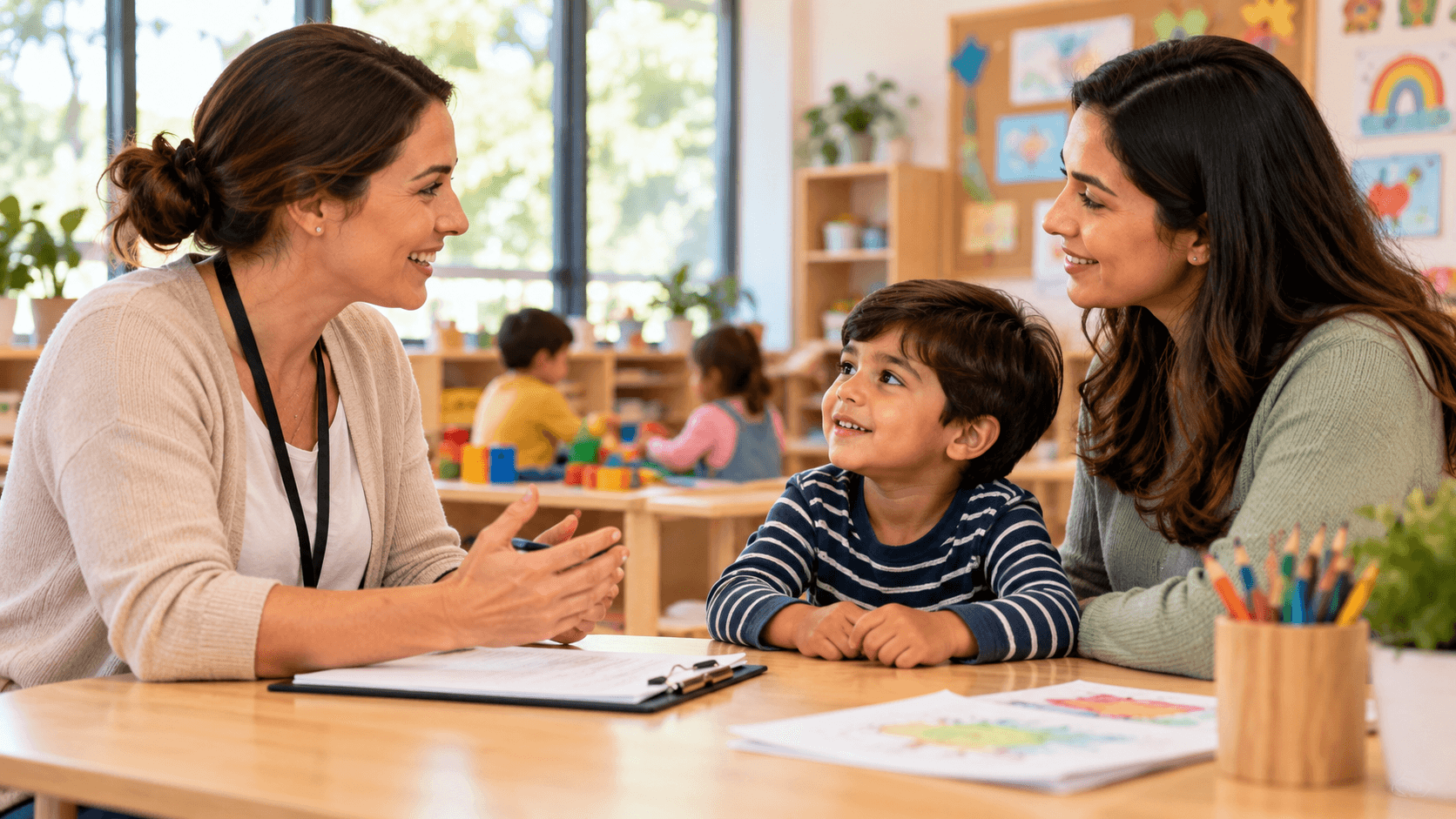
Start by talking with your child's kindy educator. They can share observations about how your child joins group activities, manages routines and responds to new experiences. Together, you can identify areas where extra practice or support may be helpful. You can also talk to the school about any adjustments your child may need. If you have ongoing developmental concerns, your GP or an appropriate child development professional can help you explore suitable support. The aim is to help your child access the experiences and support they need to participate, learn and feel they belong. How does kindy help children get ready for school?In Queensland, an approved kindergarten program offers play-based learning that supports children's relationships, communication, independence and early learning. Through stories, imaginative play, outdoor exploration, group activities and everyday routines, children practise skills they'll continue using at school. They learn to share ideas, solve problems with others, try new things and ask for help when something feels difficult. Educators also get to know each child's interests, strengths and support needs. This helps them encourage further development and support the transition to Prep in ways that reflect the individual child. School readiness develops over time through meaningful relationships, play and everyday learning experiences. School readiness FAQsWhat age does a child start Prep in Queensland?Children are generally eligible to start Prep if they turn five by 30 June in the year they enrol. Early entry may be considered for children who turn five by 31 July, but strict eligibility conditions apply and approval is not guaranteed. Parents can also choose to delay Prep entry by one year if they feel their child would benefit from more time before starting school. Check the Queensland Government's Prep enrolment guidance for details. Does my child need to read or write before starting Prep?No. Children don't need to read independently or write perfectly before starting Prep. Books, conversation, drawing, counting and problem-solving are useful foundations, and formal teaching continues at school. What if my child is shy or takes time to make friends?Shyness alone doesn't determine school readiness. Children build friendships in different ways and at different paces. Familiar routines, supportive adults and opportunities to play with others can help them feel more comfortable. How can I help my child feel less nervous about starting school?Talk about school in a positive but realistic way, listen to your child's worries and acknowledge their feelings. Orientation visits, stories about starting school and practising simple routines can make the change feel more familiar. Is kindergarten compulsory in Queensland?No. Queensland kindergarten programs are optional, but they offer valuable play-based learning experiences before Prep. Children generally need to be at least four by 30 June in the year they attend an approved kindergarten program. Check the Queensland Government's kindy eligibility guidance for details. Getting ready for PrepProgress often shows up in everyday moments: opening their own lunchbox, asking another child to play or having a go at something that once felt difficult. Keep the conversation open, make room for play and celebrate the skills your child develops along the way. Your child's educators can also help you understand their progress and prepare for the transition. With time, encouragement and opportunities to practise, your child can approach this next chapter with greater confidence. Want a handy reminder? Download our printable Prep readiness checklist to keep on the fridge and work through together. |