&geometry(188x103))
Play-Based Learning in Early Childhood: A Guide for Australian ParentsWritten on the 23 July 2026 Play-based learning is the foundation of early childhood education in Australia because research shows it's how young children learn best. Rather than relying on worksheets or formal lessons, qualified educators help children develop essential skills through carefully planned play experiences guided by Australia's Early Years Learning Framework (EYLF).
If you're wondering whether your child is really learning at childcare, this guide explains what play-based learning is, why Australia uses it, and how to recognise a high-quality program.
Before we dive in, here's the short version.
What Is Play-Based Learning?
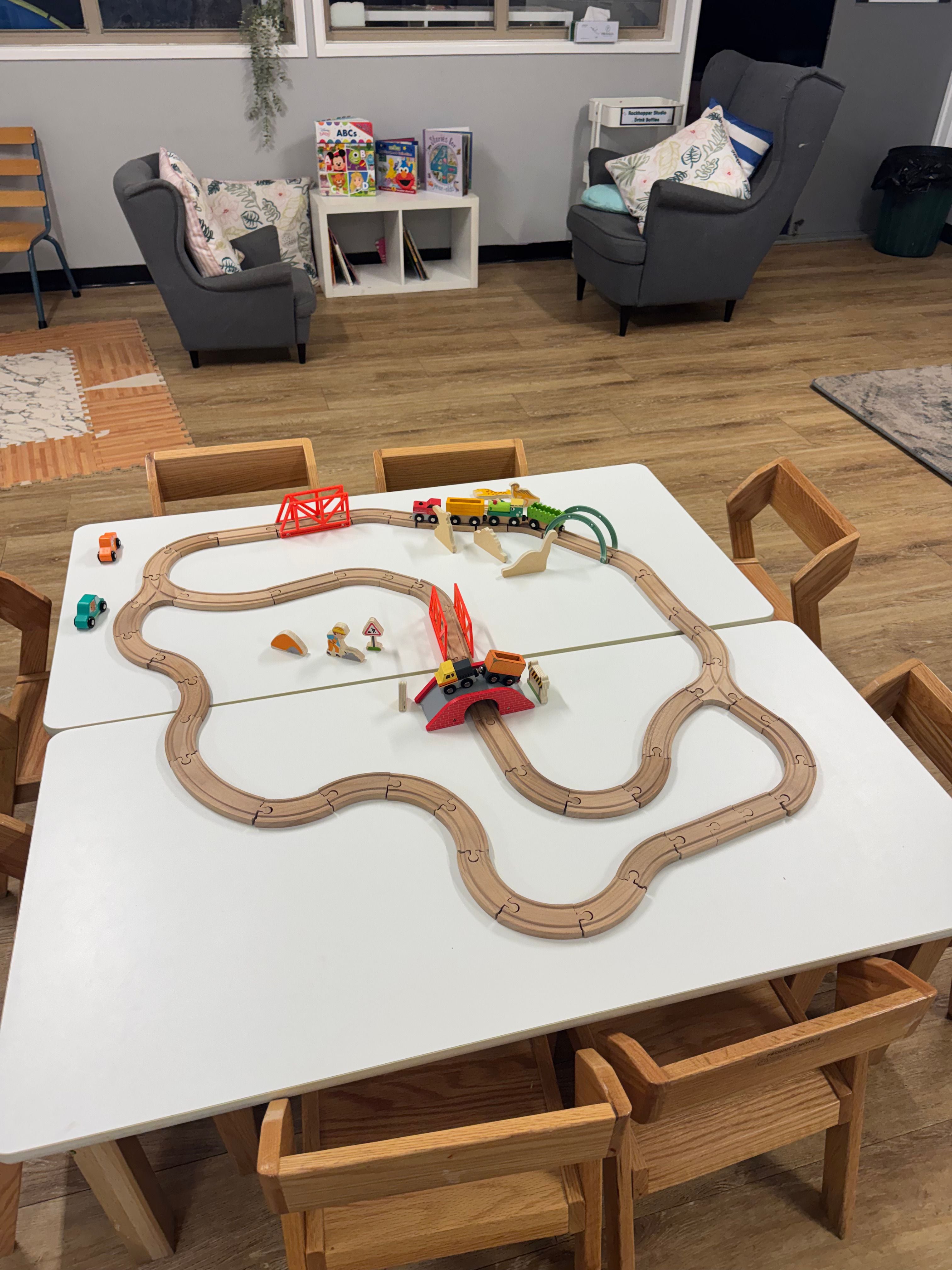
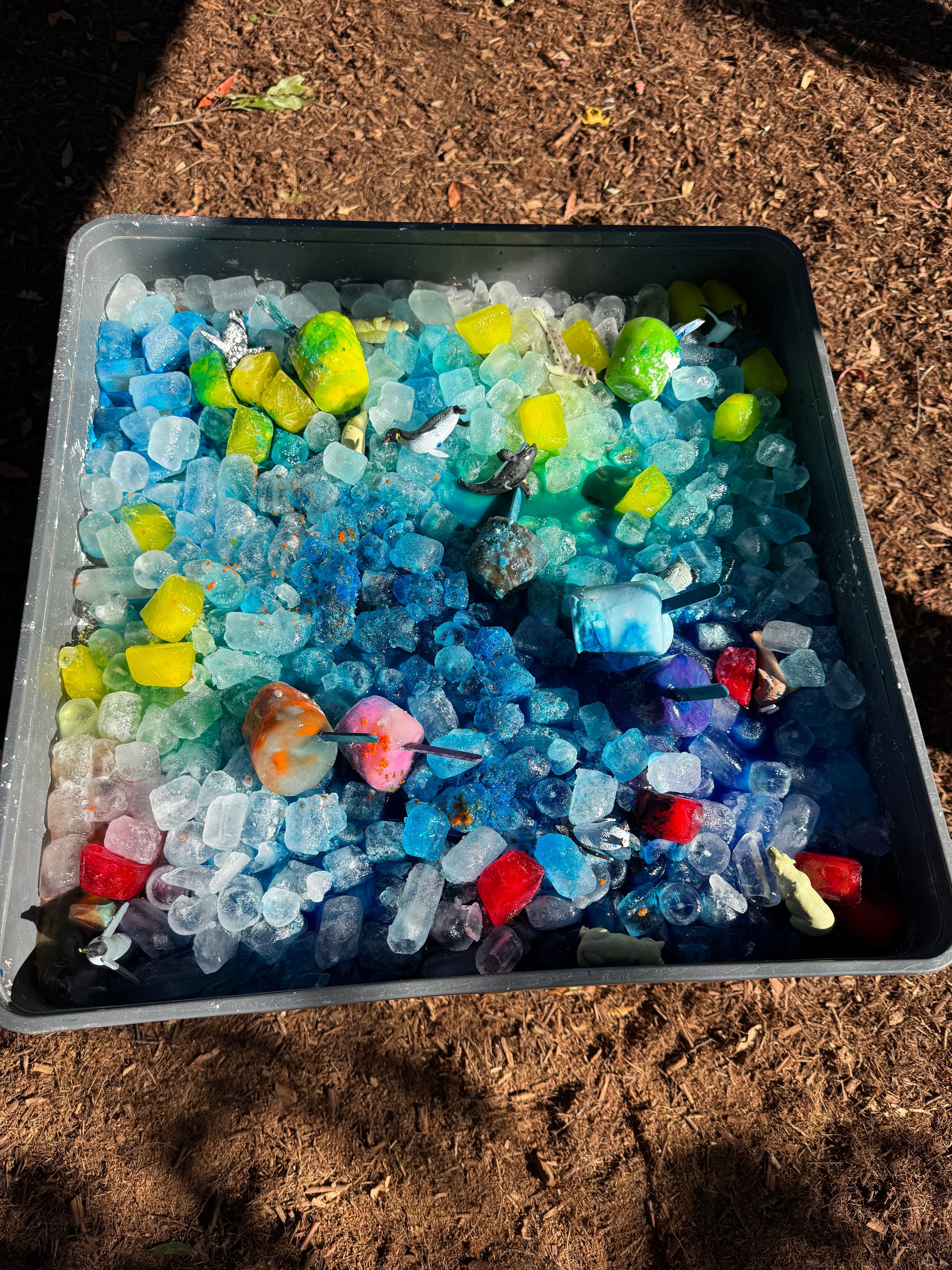
Play-based learning is an approach where children build knowledge, skills and understanding through active, hands-on play rather than formal lessons or worksheets. In practice, this might include children:• Building towers to explore balance and early maths • Playing cafés to practise language and social skills • Painting to develop creativity and fine motor skills • Digging in sand to understand measurement and volume • Exploring outdoors to build confidence and physical skills Why Is Play-Based Learning the Standard in Australia?
Evidence-Based Nationally Recognised Assessment Standards Here's what learning through play looks like
What Does Intentional Teaching Look Like?This is one of the biggest concerns parents have. During play, educators are constantly observing, asking questions, introducing new words, encouraging problem-solving and extending children's interests. This is known as intentional teaching, and it's one of the key reasons play-based learning is so effective.
Myth: Children just play all day. Myth: They'll fall behind academically. Myth: Learning only happens indoors. How Do I Evaluate a Childcare Centre's Play-Based Program?Not all "play-based" programs are the same. Here are some questions worth asking, and cues to lookout for when touring a kindy:
Does Play-Based Learning Prepare My Child for School?Yes, in Australia school readiness is about much more than knowing letters and numbers. It includes:
Most kindergarten/preschool programs (the year or two before formal schooling) will naturally increase more structured, small-group learning experiences as children approach school age, while still keeping play at the centre.
What's the Difference Between Play-Based Learning and a "Formal" Academic Approach?
Research consistently shows that pushing formal academic instruction too early (before age 5-6) doesn't improve long-term outcomes and can increase anxiety and reduce a child's love of learning. Australia's approach deliberately delays formal literacy/numeracy instruction until the early years of primary school.
Why Outdoor Play Matters in Early Learning?Australian early learning programs place a strong emphasis on outdoor play because it supports physical development, resilience, confidence, risk assessment and overall wellbeing.What About Screen Time and Technology in Play-Based Programs?Most Australian services follow guidelines from the Australian 24-Hour Movement Guidelines for the Early Years, which recommend no screen time for children under 2, and limited, quality screen use for ages 2–5. In centres, you'll typically see:
It's worth asking a centre directly what their screen time policy is, as approaches vary. My Child Is Shy/Very Active/Has Additional Needs — Does Play-Based Learning Still Work?
Yes - one of the strengths of play-based learning is its flexibility to meet children where they are. Because play is largely self-directed, it naturally allows for:
A good centre will be able to describe how they individualise the program, not just describe the group routine. How Do Educators Track My Child's Progress If There Are No Tests or Grades?Australian early childhood educators use observation-based assessment, not testing. This typically includes:
Ask how often you'll receive updates and whether you can request a meeting to discuss your child's development at any time. What Qualifications Do Educators Need to Deliver This Well?Under the National Quality Framework, services must employ a mix of qualified staff, and at least one early childhood teacher (ECT) is required in most centres above a certain size, alongside educators holding (or working towards) a Certificate III or Diploma in Early Childhood Education and Care. Higher qualification levels are generally associated with stronger implementation of play-based pedagogy, so it's reasonable to ask about staff qualifications and turnover/staff stability during a tour. Play-based learning isn't the absence of learning — in a well-run Australian early childhood service, it's a deliberately designed, evidence-based approach where every block tower, mud pie, and pretend tea party is doing real developmental work. The best way to judge a centre isn't by how "academic" it looks, but by how thoughtfully educators observe, document, and extend on what children are already curious about. This article provides general information about early childhood education practices in Australia and is not a substitute for professional advice specific to your child's needs. For official service ratings and more information, visit startingblocks.gov.au or the Department of Education's EYLF resources. |