&geometry(188x103))
Keeping Children Safe at Penguin Early EducationWritten on the 25 September 2026 A Safe Place to Learn, Grow and Belong
Every child has the right to feel safe, respected, heard and supported. At Penguin Early Education Centre (PEEC), children's safety and wellbeing are part of everything we do. From the relationships our educators build with children to the way we design our learning environments, supervise children and work alongside families, we take a thoughtful and proactive approach to creating a safe and welcoming place for every child. We want every child who waddles through our doors to feel that they belong, that their voice matters and that the adults around them are there to listen, support and care for them. Being child safe is not simply about meeting our responsibilities. It is about creating a culture where children feel comfortable speaking up, families feel heard and educators understand the important role they play in children's safety and wellbeing. Our Approach to Child SafetyChild safety is part of our everyday practice at Penguin EEC. We:
Child safety isn't something we think about only when a concern arises. It is part of the way we work with children and families every day. Children Have a Voice
Children don't always tell adults that something is wrong using adult words. They may communicate through conversation, play, behaviour, emotions, body language or changes in the way they respond to people and their environment. Our educators are encouraged to listen, notice and take children seriously. We want every Penguin child to know: You can talk to us if something makes you feel worried, uncomfortable or unsafe. We will listen to you. You can choose an adult you trust to talk to. Your feelings and your voice matter. We also recognise that families know their children well. If you have a question about your child's experience, wellbeing or something you have noticed, we encourage you to talk with us. Working Together With Families
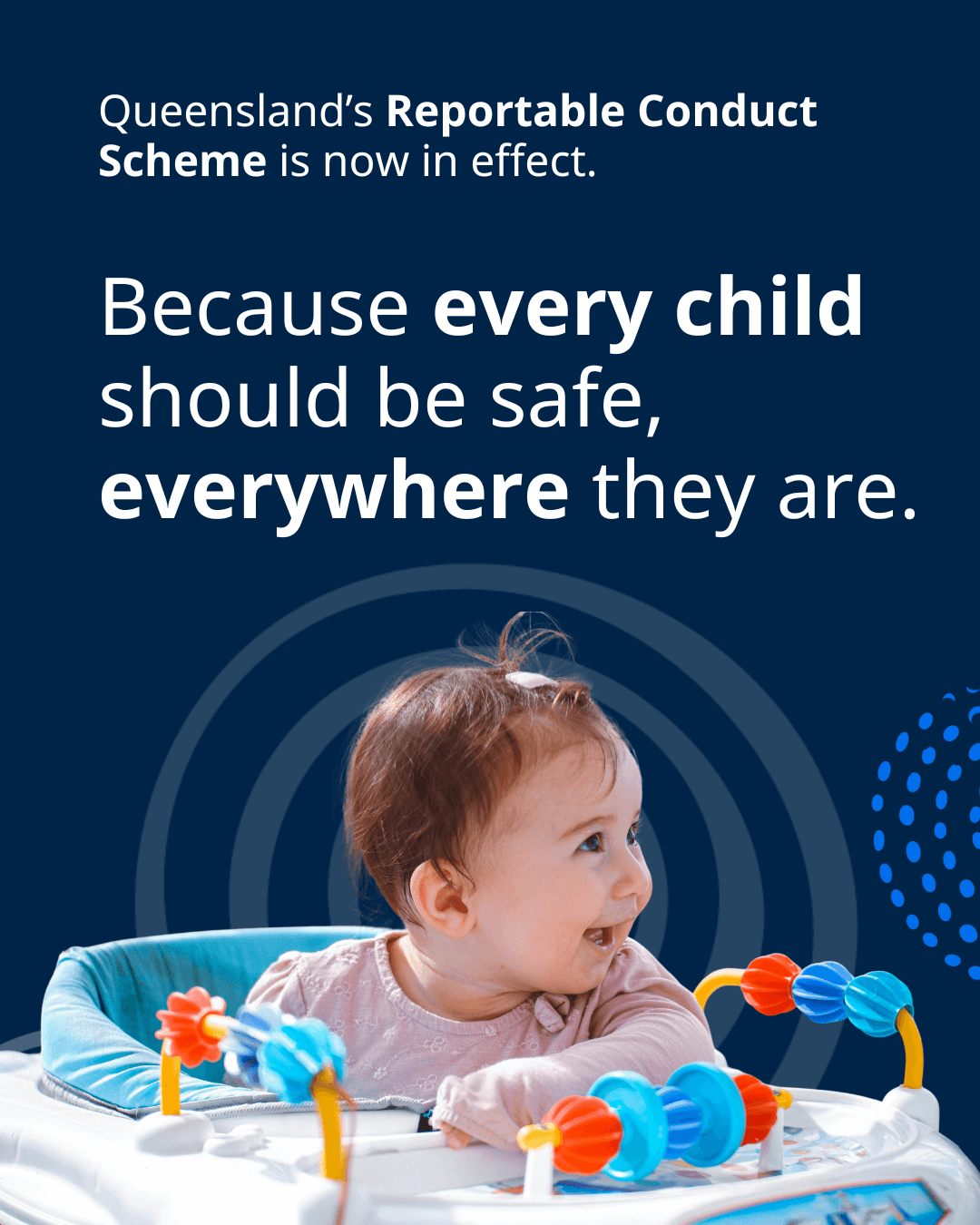
Keeping children safe works best when families and educators communicate openly. If something has made you curious, concerned or simply unsure, please speak with us. You don't need to know whether something is a formal child safety matter before raising it. Small things count too. You can simply tell us what you've noticed, and we can help work out the appropriate next step. You're never expected to investigate or work anything out yourself. That's our job. You can speak with our Centre Director or Approved Provider, Lucy, in person, by phone or by email. 1800 PENGUIN You can also use our online Child Safety Concern form. Queensland's Reportable Conduct SchemeAs part of our responsibilities for children's safety, Penguin Early Education is subject to Queensland's Reportable Conduct Scheme, which commenced on 1 July 2026. The scheme provides an additional safeguard for children and sets requirements for organisations when concerns are raised about certain types of conduct involving workers or volunteers. The scheme is overseen by the Queensland Family and Child Commission (QFCC). Where required, organisations must assess concerns, manage risks to children, investigate matters and notify the QFCC in accordance with the scheme. The Reportable Conduct Scheme operates alongside other child protection, mandatory reporting, police notification and regulatory requirements. What does this mean for families?For families, it means that Penguin EEC has clear processes for responding when a child safety concern is raised. You do not need to understand the legislation or decide whether something meets the definition of reportable conduct before speaking with us. Tell us what you have seen, heard, experienced or been told. We will consider the appropriate next steps. Understanding Reportable ConductThe Reportable Conduct Scheme covers specific categories of behaviour involving a worker or volunteer. This is here for your information only. You don't need to remember it or check anything against it before talking to us. These include: Child sexual offencesSexual offences involving a child are serious criminal matters and may fall within the scheme. Sexual misconductThis refers to behaviour that is sexual in nature but does not meet the threshold of a criminal offence. It can include inappropriate physical contact, sexual comments or behaviour that crosses professional boundaries. Ill-treatmentIll-treatment refers to behaviour towards a child that is clearly unfair, inappropriate, unreasonable, cruel or harmful. The QFCC provides examples including humiliating or repeatedly degrading a child, harmful discipline, discriminatory treatment, and using force or intimidation in a way that causes harm, fear or distress. Physical violencePhysical violence involves the use or threat of physical force against a child without a lawful reason. Significant emotional or psychological harmThis refers to behaviour that seriously affects a child's emotional wellbeing, mental health or development. Significant neglectSignificant neglect involves a serious failure to meet a child's basic needs, safety or wellbeing. This may include physical, emotional, supervisory or educational needs. The QFCC also makes clear that behaviour that is reasonable and appropriate for caring for, managing or disciplining a child is not reportable conduct. What Happens When a Concern Is Raised?
If a concern is brought to our attention, our first consideration is always the safety and wellbeing of the child or children involved. We may: Listen and understandWe will listen respectfully, take the information seriously and document it appropriately. Consider the child's safetyWe will consider whether any child may need additional support or protection and take appropriate steps where necessary. Understand our responsibilitiesWe will assess the information and determine whether any reporting or notification requirements apply. Depending on the circumstances, this may include notifying the:
Respond appropriatelyWhere required, concerns will be appropriately investigated and action taken in accordance with our legal and regulatory responsibilities. Continue supporting the childOur responsibility doesn't end when a concern is raised. Throughout our response, we continue to consider the child's: Safety • Wellbeing • Dignity • Voice • Individual needs • Right to be heard What Can I Expect When I Raise a Concern?We understand that speaking about something that concerns you can sometimes feel difficult. When you contact us, we will:
You do not need to have proof before raising a concern. Raising a concern in good faith will never count against you or your family. Sometimes, when other authorities are involved, we may not be able to share every detail of what happens next. We'll always be open with you about what we can and can't share. If something has made you concerned about a child's safety or wellbeing, please talk to us. If Your Concern Involves Someone You Would Normally Speak ToYou can still speak up. If your concern involves the person you would normally speak with, you can contact [Name, role] on [phone / email], or contact the Queensland Family and Child Commission (QFCC) directly. You do not have to raise a concern with Penguin EEC before contacting the QFCC. QFCC: 07 3900 6000 Raise a concern with the QFCC If a Child Is in Immediate DangerIf a child is in immediate danger or requires urgent assistance, call Triple Zero (000). Where you believe a criminal offence may have occurred, you can contact Queensland Police. Reporting a concern to Penguin EEC does not replace emergency services, mandatory reporting or other reporting requirements that may apply. Our Commitment to Children and Families
Creating a child-safe environment is about much more than responding when something goes wrong. It is about the everyday experiences children have with us — feeling welcome, being listened to, having trusted adults around them, being treated with dignity and knowing that their voice matters. At Penguin Early Education, protecting children is part of the trust families place in us every day. Every child deserves to feel safe, respected, included and heard.
Child Safety Information & Resources[BUTTON: REPORT A CHILD SAFETY CONCERN] [BUTTON: COMPLAINTS & GRIEVANCES POLICY] [BUTTON: CHILD SAFETY & CHILD PROTECTION POLICIES] Queensland Family and Child CommissionLearn about Queensland's Reportable Conduct Scheme Raise a concern directly with the QFCC QFCC: 07 3900 6000 Recognise It. Report It. |