&geometry(188x103))
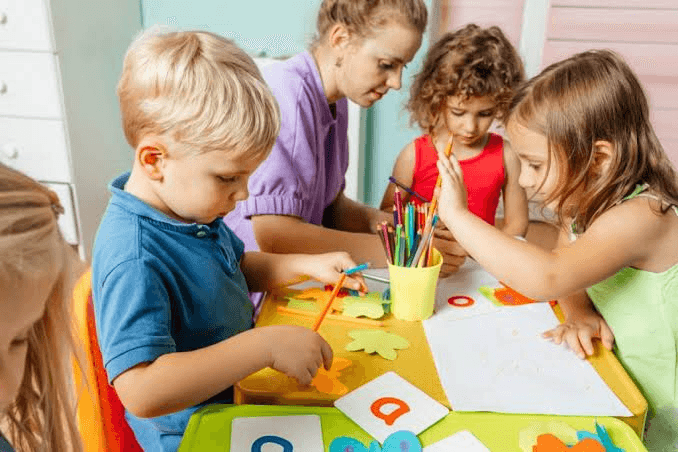
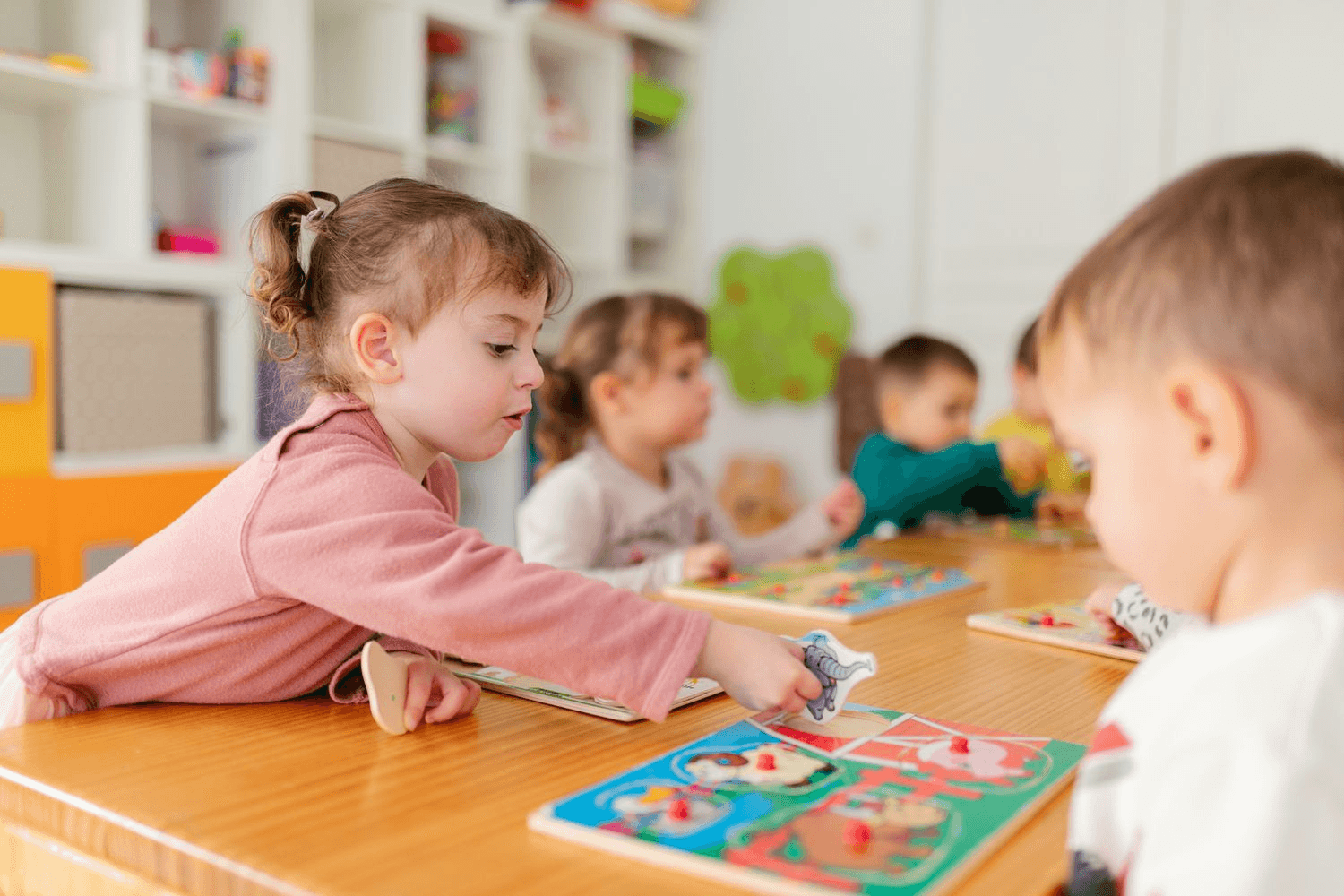
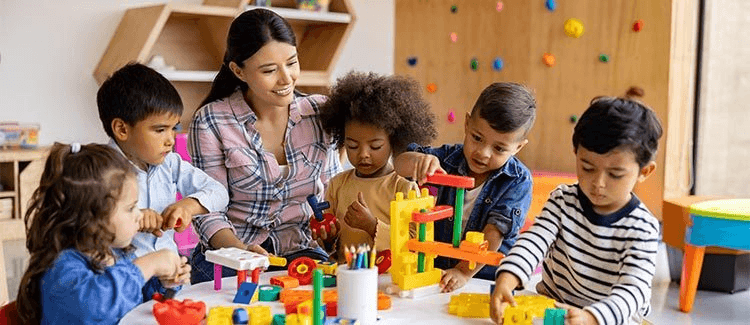
Is Your Child Ready to Start Early Learning?Written on the 26 August 2026 Starting early learning is a big step for your child and for you. If you're wondering whether your two- or three-year-old is ready to start childcare or an early learning program, it helps to know that "readiness" isn't a checklist they need to complete first. Children develop at very different rates. A good early learning environment meets children where they are and supports them as they become more confident, independent and connected with others. So what might readiness look like in everyday life? They're curious about other children
Watching other children play, copying what they do, playing alongside them or trying to join in are all positive signs. Your child doesn't need to be confident at making friends. Sharing, taking turns and playing cooperatively are skills they will develop over time through everyday experiences with other children. They're becoming comfortable away from youIf your child can settle with a grandparent, family friend or another trusted adult while you're out of sight, that's a helpful sign. It doesn't mean every drop-off will be tear-free. Separation can be difficult, particularly at the beginning. What matters is that your child gradually learns that you will return and that they can feel safe and secure with other trusted adults. They're showing signs of independenceThe "I do it myself!" phase is actually useful preparation for early learning. Trying to put on their shoes, wash their hands, feed themselves, pack away toys or choose what they would like to play with are all ways children begin developing independence. They don't need to manage these things on their own. Educators are there to support them while giving them opportunities to try. They can communicate what they needYour child doesn't need to be speaking in full sentences. They might use words, gestures, pointing, facial expressions or other ways of communicating when they're hungry, tired, uncomfortable or need help. Educators spend time getting to know each child's individual ways of communicating, including the little signals that parents often know best. They're beginning to follow simple routinesYour child may already be familiar with simple routines at home — washing hands before meals, packing away toys, getting ready to go out or settling down for sleep. Being able to participate in these everyday routines can help children feel more comfortable in an early learning environment. They won't follow every instruction perfectly, and they're not expected to. Learning how to participate in a group routine is part of the learning itself. They're interested in exploring new things
Does your child want to investigate a new toy? Pick up a stick in the garden? Splash in water? Look closely at an insect? Turn the pages of a book? That curiosity is important. Early childhood learning isn't about expecting young children to arrive with a particular set of academic skills. Children learn by playing, experimenting, asking questions, moving, creating and exploring the world around them. They can manage small frustrations with supportYoung children are still learning how to understand and regulate their emotions. You might notice that your child can accept comfort when they're upset, try something again after it doesn't work or calm down with support from a trusted adult. These are early foundations for self-regulation, and they continue developing throughout the early years. What if my child isn't showing all these signs?That's completely okay. There is no magic age at which every child suddenly becomes "ready" for early learning. One child may confidently walk into a new environment while another needs more time to observe before joining in. Some children are highly social but need help with independence. Others are very independent but take longer to feel comfortable around a group. A quality early learning service will get to know your child, work in partnership with your family and provide the support they need to settle and thrive. Choosing an early learning environment in Brisbane
Once you've decided that your child is ready to start early learning, the environment you choose matters just as much as your child's readiness. Look beyond the indoor classroomBrisbane gives children an incredible opportunity to learn outdoors throughout the year. Rather than treating outdoor play as something that only happens when the weather is "perfect", look for an environment where the outdoors is a natural part of the day. Some of our activities have shared outdoor spaces where children take turns going outside. Others offer an indoor-outdoor approach, where children can move between the indoor and outdoor environments and make choices about where they would like to play and explore. This gives children greater agency while allowing them to follow their interests. Look at what children can actually do outdoorsA large outdoor space can offer much more than running around. Gardening, water play, digging, building, imaginative play and caring for animals can all become meaningful learning experiences. When you visit a centre, look at the outdoor environment through your child's eyes. Is there space to move? Things to investigate? Places to get messy? Opportunities to be curious? Can children make choices about how they spend their time? A generous outdoor environment gives children room to explore, take manageable risks, develop physical skills and build confidence through hands-on experiences. Getting ready at homeYou don't need to formally "prepare" your child for early learning. Everyday experiences are enough. Let them practise putting toys away, washing their hands, choosing between two options and trying things independently. Give them opportunities to play with other children and spend short periods with trusted adults. Talk about starting early learning positively and matter-of-factly. Tell them about the people they'll meet, the things they might explore and the educators who will be there to help them. Most importantly, remember that starting early learning is a transition, not a test. Your child doesn't need to arrive completely independent, confident or socially confident. They simply need the opportunity to take the next step — with the support of their family and educators along the way. |