&geometry(188x103))
Why Kids Eat Better at Kindy (And How to Recreate It at Home)Written on the 28 March 2026 Many parents notice the same thing: their child happily eats a wide range of foods at Kindy, but becomes much more selective at home. This is very normal. At our child care, your child benefits from consistent routines and a positive early learning environment with shared mealtimes with other kids. These small influences can make a big difference to how your child responds to food. The good news is you can bring many of these habits into your home in simple, practical ways. Here we share some fussy eater toddler tips for you to try at home. Start with Simple, Consistent RoutinesChildren feel more comfortable when they know what to expect. Having regular meal and snack times helps build structure and reduces mealtime stress. Try to keep your child's meals at similar times each day and maintain a calm environment. Turning off screens and sitting at the table, even for a short time, can help your child focus on eating and enjoying their food. Make Mealtimes About ConnectionAt kindy, meals are social. Children sit together, watch each other, and learn through shared experiences. You can recreate this at home by sitting down and eating with your child whenever possible. It doesn’t have to be a long meal — what matters is that your child sees you eating the same foods and enjoying them. When meals feel relaxed and shared, children are often more open to trying new things.
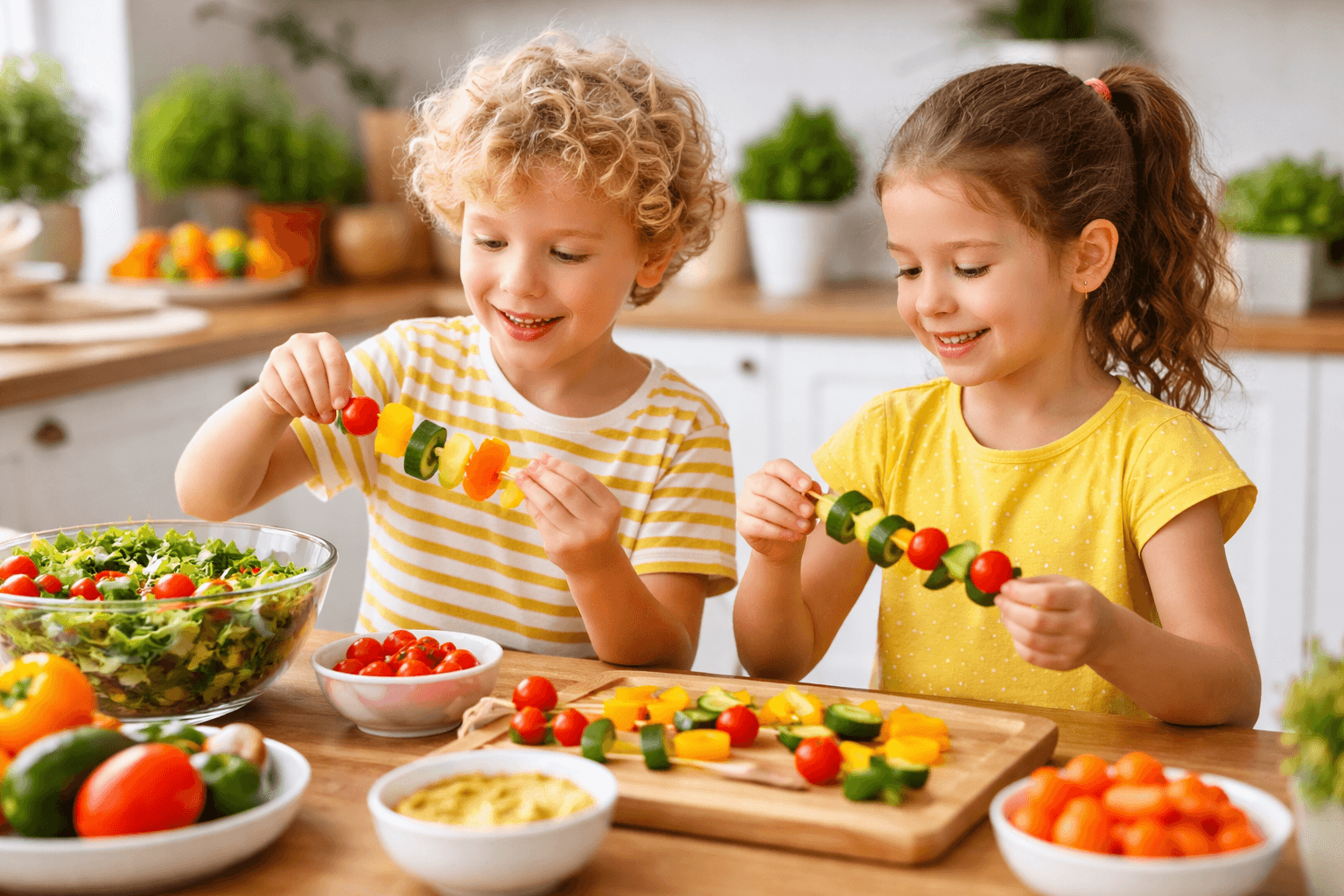
Children are far more interested in food when they have helped prepare it. Involvement builds confidence and curiosity. Even very young children can take part in simple ways, such as:
These small tasks turn mealtimes into an experience, not just a routine. Make Food Visually Appealing For KidsChildren are naturally drawn to colour and variety. Offering a “rainbow” of foods can make meals more exciting and inviting. You might include:
Simple changes in presentation can encourage children to explore what’s on their plate. Be Patient with When Your Child Is Trying New FoodsIt’s common for children to refuse foods, even ones they have eaten before. This doesn’t mean they don’t like them. Children often need multiple opportunities to feel comfortable trying something new. Keep offering a variety of foods without pressure. A relaxed approach helps build confidence over time. Keep Mealtimes Positive For Your ChildMealtimes should feel safe and enjoyable, not stressful. Instead of focusing on how much your child eats, try to:
A positive environment helps children develop a healthy relationship with food. Our child care in Boronia Heights is all about maintaining a positive environment and preparing healthy meals for your child. Bringing It All TogetherYou don’t need to replicate a child care setting perfectly. Small, consistent habits at home can support the same positive behaviours children develop during their day in care. By focusing on routine, connection, involvement, and variety, you can make mealtimes more enjoyable and help your child feel more confident with food. Over time, these simple approaches can make a lasting difference. Looking for ideas on what to pack? Try our healthy lunchbox ideas for weekends and outings. |